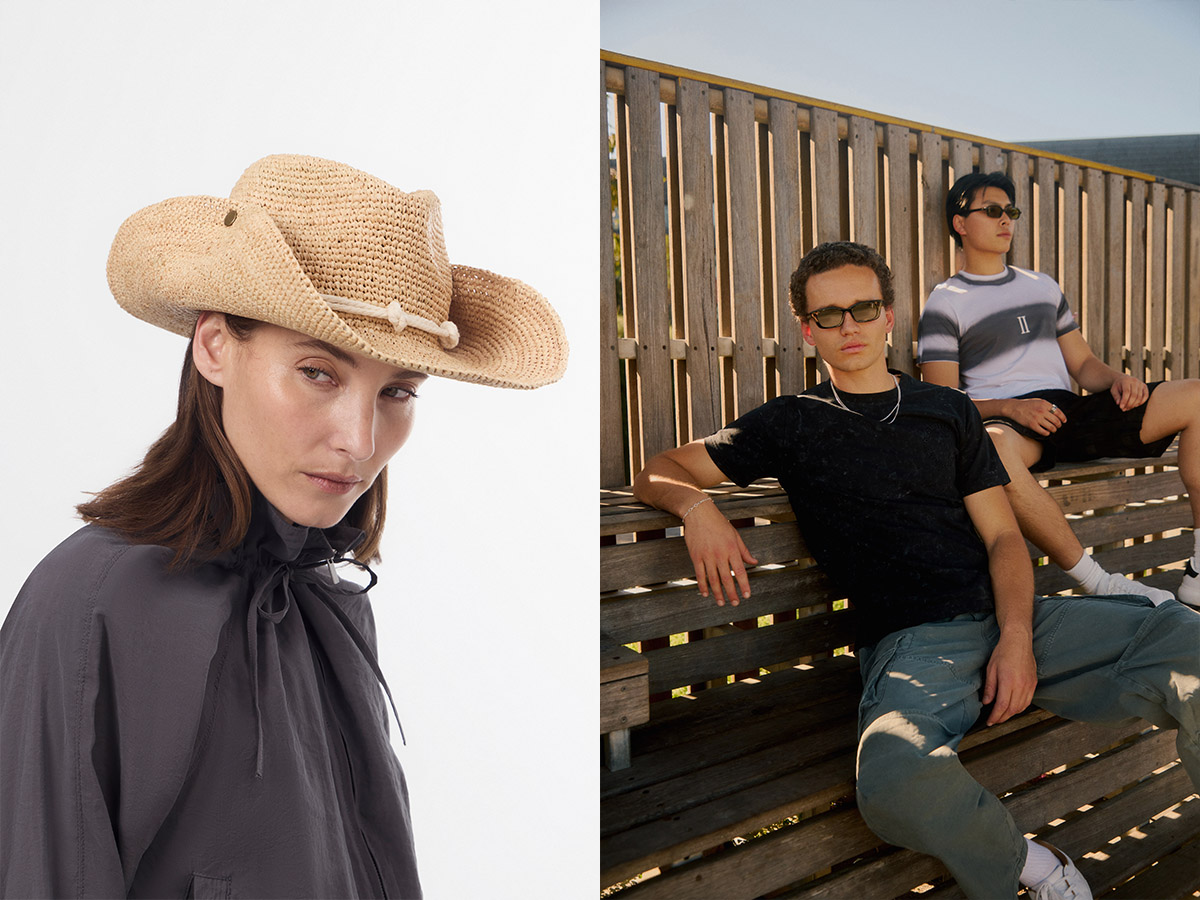


Why Moodboards and Runsheets Keep Shoot Days Under Control

A commercial shoot can look effortless in the final images, but behind the scenes it only works when everyone knows what is happening and when. Moodboards and runsheets turn a creative idea into a production plan.

A moodboard sets the visual direction. It defines references for lighting, composition, wardrobe, props, colour, background, talent and mood. A runsheet turns that direction into timing: crew call, setup, talent arrival, hair and makeup, first shot, lunch, changes, pickup shots and wrap.
Why moodboards matter
Without a moodboard, people can interpret the same brief in different ways. “Premium”, “clean”, “natural” or “editorial” can mean different things to a client, stylist, photographer and videographer. A visual reference board helps remove ambiguity before the shoot starts.
For commercial photography production, a moodboard also protects the brand. It keeps the final imagery aligned with the website, campaign and content goals, instead of drifting into random nice-looking images.

Why runsheets matter
A runsheet is the practical side of the production. It tells the team what needs to happen, in what order, and how long each part should take. This matters when the shoot involves models, assistants, stylists, video, stills, props, lighting changes, catering, product swaps or multiple locations.
Good runsheets leave room for real shoot conditions. Things change. Talent may need extra time. Lighting may need to shift. A product detail might need more attention. But without the runsheet, the day can quickly lose structure.

What to include in a simple commercial runsheet
- Client, crew, talent and contact details
- Studio or location address and access notes
- Call times, hair and makeup, styling and catering windows
- Shot list grouped by setup and priority
- Lighting, equipment and background notes
- Video and photography handover moments
- Wrap time and post-production delivery notes
Final takeaway
Moodboards and runsheets do not make a shoot less creative. They make creativity easier to execute. The clearer the plan, the more freedom the team has to focus on the details that improve the final content.
Need help planning a shoot?
Design Identity can support creative direction, production planning, photography, video and post-production. Contact DI to build a clear plan before shoot day.