

How to Plan Photography and Videography Production in the Same Shoot
Brands often need both stills and motion from the same campaign. Planning photography and videography production together can save time, improve consistency and create a stronger content library.
The challenge is that photography and video do not always need the same setup. A still image may need a single perfect frame. A video sequence needs movement, timing, camera paths, continuity, editing options and sometimes sound. If both are not planned together, one side of the shoot can compromise the other.
Start with the final asset list
Before production, list exactly what the brand needs. This may include hero stills, ecommerce images, vertical social videos, website banners, campaign cutdowns, behind-the-scenes clips, paid ad variations and product detail shots.
Once the output list is clear, the team can decide which setups need a photographer, which need a videographer and which can deliver both. DI’s video production service covers branded video, product video, corporate video, TVCs, event videos and social content, making it relevant for brands that need stills and motion together.
Match the lighting plan to both formats
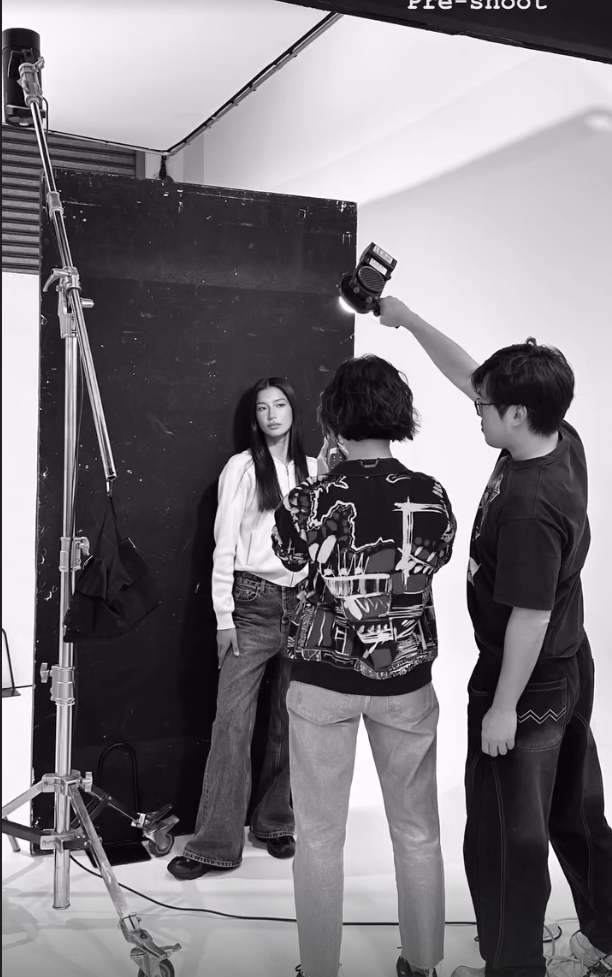
Photographer equipment and lighting can be optimised for a still image, but video often requires more continuity. Lights may need to stay consistent during movement, reflections may change as the camera moves, and practical timing matters more than in a single photo.
A good production plan considers both. If the lighting is too fixed for video, motion may feel flat. If the lighting is too broad for stills, the hero images may lose polish. The aim is to build a setup that gives both teams what they need.
Build a runsheet around setup changes
A shared runsheet prevents the shoot day from becoming chaotic. It should show when stills are captured, when video is captured, what products or talent are needed, which equipment is active and what the priority deliverables are.
This matters because video can take longer than expected. Movement tests, retakes, camera resets and direction all require time. A strong schedule protects the most important assets first.
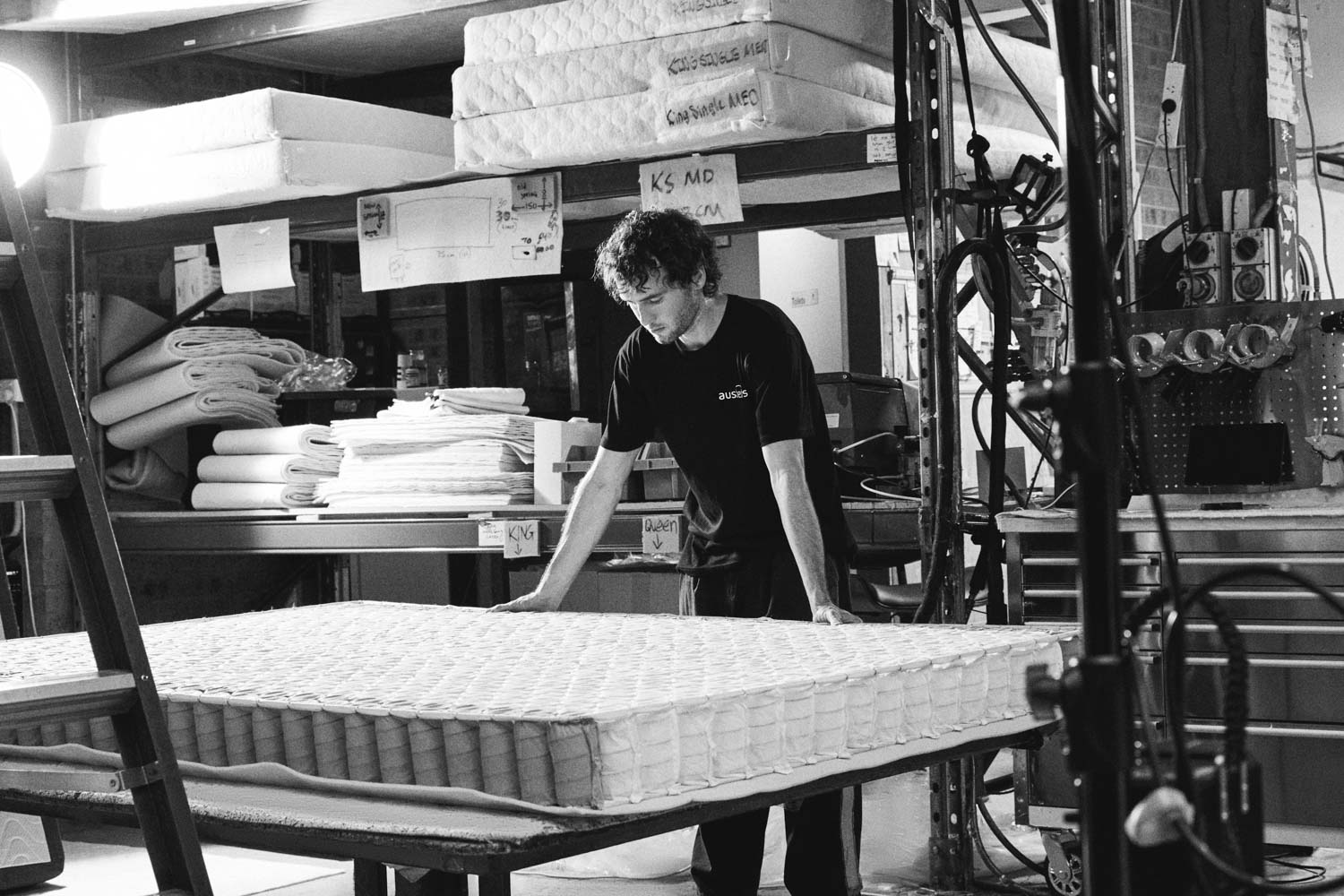
Plan vertical, horizontal and square outputs
One of the biggest mistakes in combined production is shooting everything in one format. Brands usually need multiple aspect ratios. Social platforms often need vertical content. Websites may need wide banners. Paid ads may need square or 4:5 variations.
The camera team should know those formats before the shoot starts so compositions are not too tight or awkward to crop later.
Use post-production to keep the look consistent
After the shoot, photo retouching and video colour grading should follow the same visual direction. If the still images are cool and polished but the video is warm and contrasty, the campaign can feel disconnected.
That is why post-production should be part of the original plan, not treated as a separate final task.
Final takeaway
Photography and videography production works best when the shoot is planned as one system. The brand gets more assets, stronger consistency and a cleaner workflow from production through to editing.
Planning stills and motion together?
Design Identity works across commercial photography, videography, studio production, editing and asset delivery for Sydney brands. Get in touch to plan a combined production.
FAQs
Can photography and video be captured in one shoot?
Yes, but it needs a clear shot list, lighting plan, runsheet and final asset list.
Why plan video before the shoot?
Video requires movement, timing, format planning and editing options that are harder to fix after production.