


How AI Is Changing Product Photography for Ecommerce Brands
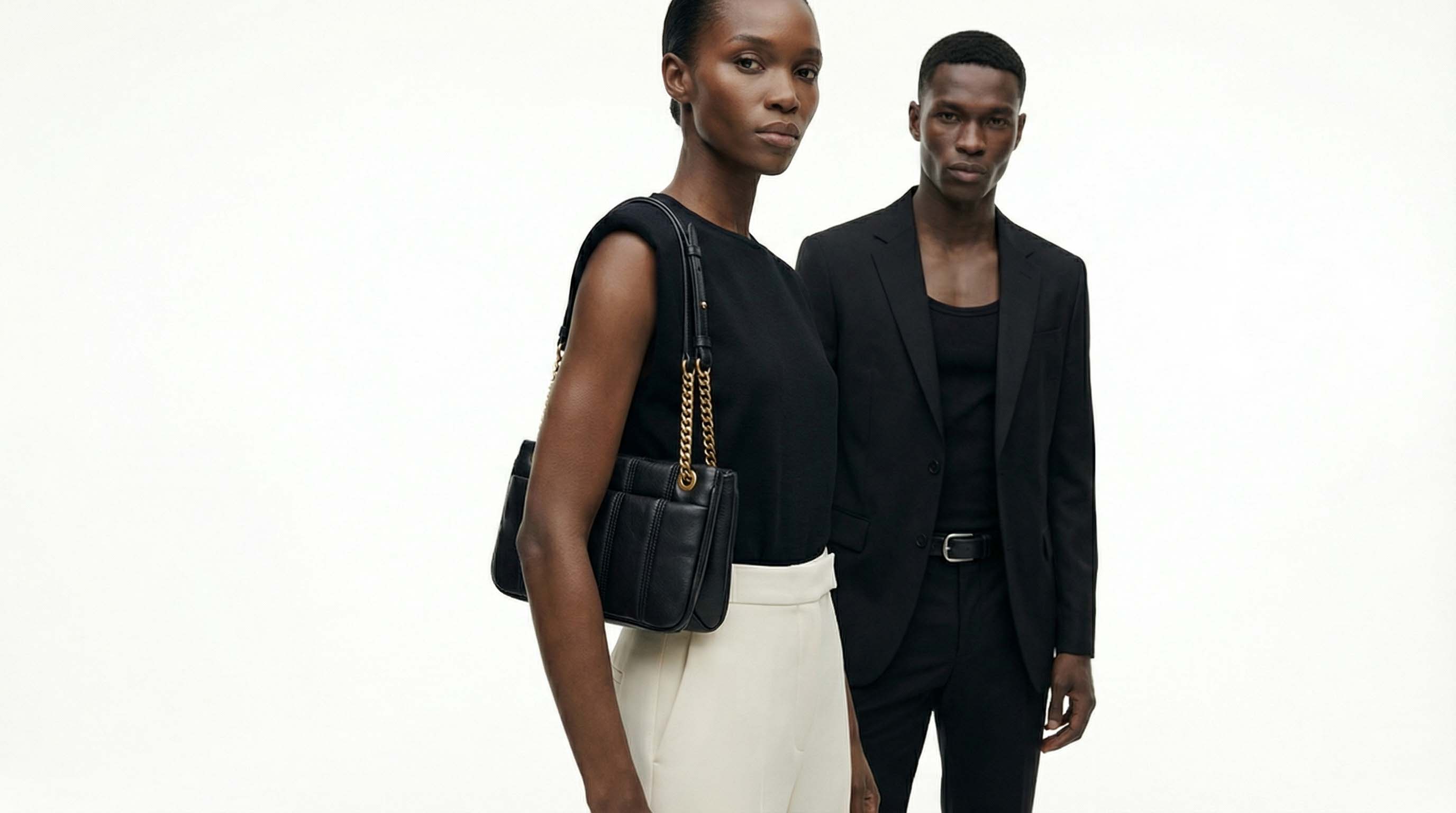
Artificial intelligence is changing the way ecommerce brands create and manage visual content. From product imagery and advertising creatives to lifestyle scenes and campaign concepts, AI-assisted tools are giving businesses new ways to produce more content without rebuilding an entire photoshoot every time.
For brands exploring AI product photography, the biggest opportunity isn't necessarily replacing traditional photography. It is using AI alongside professional photography to create more variations, test creative ideas and get greater value from every product shoot.
What Is AI Product Photography?
AI product photography uses artificial intelligence to create, enhance or extend product imagery.
A professionally photographed product can become the foundation for additional images, environments and creative concepts. Instead of photographing the same product repeatedly in different settings, brands can use AI tools to explore alternative backgrounds, compositions and visual treatments.
This can be particularly useful for ecommerce businesses that need a large volume of product content across websites, marketplaces, social media and digital advertising.
The goal is not simply to generate an image. It is to create useful commercial photography that accurately represents the product while giving brands greater creative flexibility.
Why Ecommerce Brands Are Exploring AI Photography
Online shoppers rely heavily on images when deciding whether to purchase a product.
A single product may need several types of imagery, including:
- Clean ecommerce product images
- Lifestyle photography
- Social media content
- Digital advertising creatives
- Website banners
- Promotional campaign imagery
- Seasonal variations
- Different background treatments
Creating all of this content through traditional photography can require additional locations, styling, props and production time.
AI ecommerce photography can help brands extend their existing visual assets and explore more creative directions without necessarily organising a completely new production for every variation.
For smaller ecommerce businesses in particular, this can make visual content production more flexible and scalable.
AI Can Extend Professional Product Photography
One of the most useful applications of AI is extending photography that already exists.
A product can first be photographed professionally to ensure its colour, shape, texture, materials and details are accurately captured. AI can then be used to place that product into different environments or develop additional creative concepts.
For example, a furniture brand could photograph a chair in a controlled studio environment and then explore how it might look within different interior settings.
A skincare brand could create variations around different lifestyle concepts.
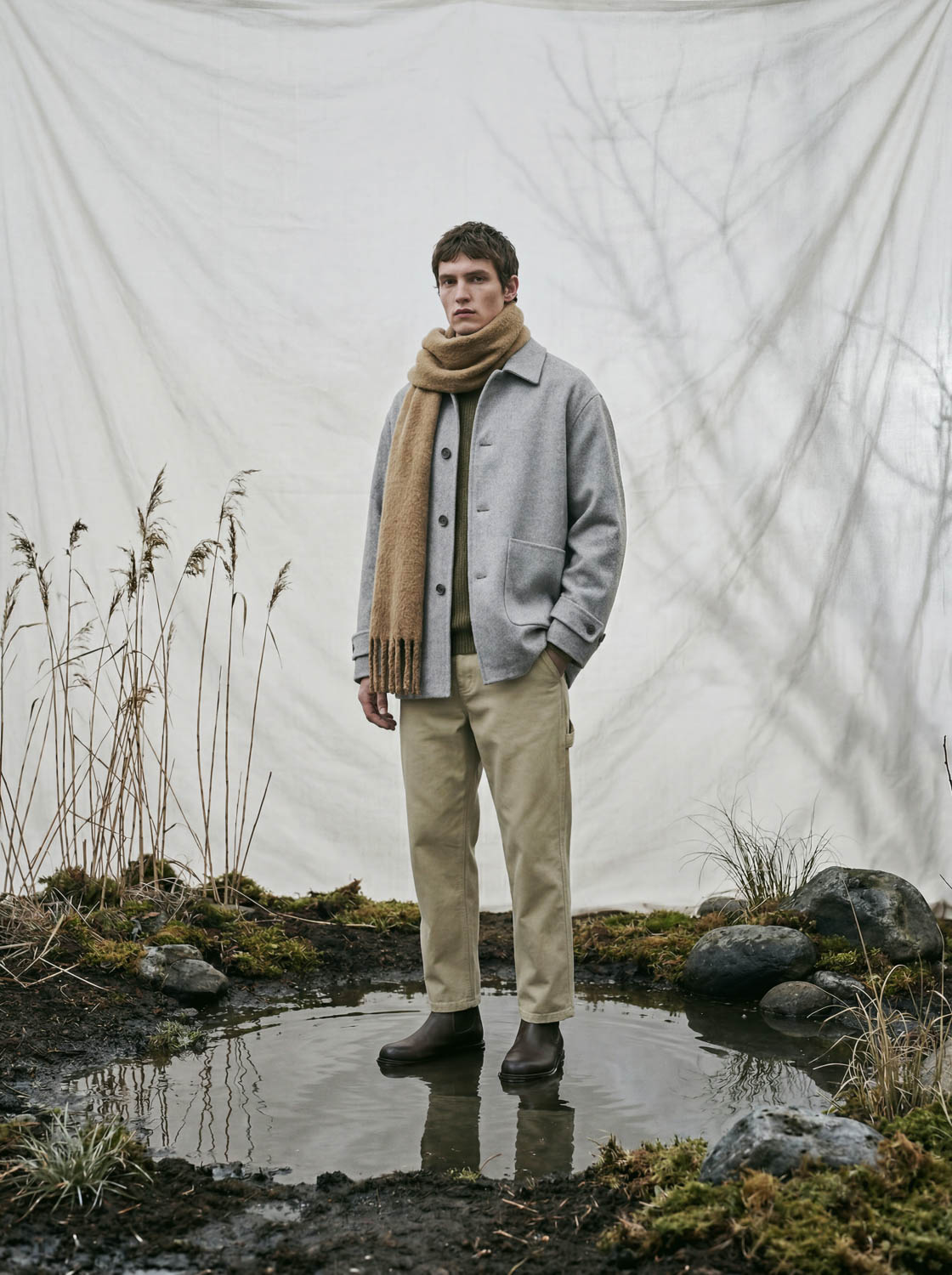
A fashion business could explore alternative campaign environments while keeping the original garment as the visual foundation.
This approach combines the accuracy of professional photography with the flexibility of AI.
Accuracy Still Matters
AI-generated imagery can be visually impressive, but ecommerce photography has an important requirement that purely creative imagery does not: the product needs to remain accurate.
Customers need to see the item they are actually buying.
Colours, proportions, textures, packaging, materials and product details all matter. If AI changes these characteristics, the image can create unrealistic expectations and potentially damage customer trust.
This is why professional photography remains an important part of an AI-assisted workflow.
Starting with a high-quality photograph provides a reliable visual reference. AI can then be used to develop additional creative content around that foundation.
AI Ecommerce Photography Creates More Content
The biggest advantage of AI for ecommerce brands may be the ability to create more content from existing assets.
Instead of thinking about a photoshoot as producing a fixed number of final images, businesses can begin treating photography as the foundation of a larger content library.
One product shoot could potentially support:
- Website product pages
- Social media campaigns
- Paid advertising
- Email marketing
- Seasonal promotions
- Lifestyle concepts
- Editorial-style imagery
- New campaign variations
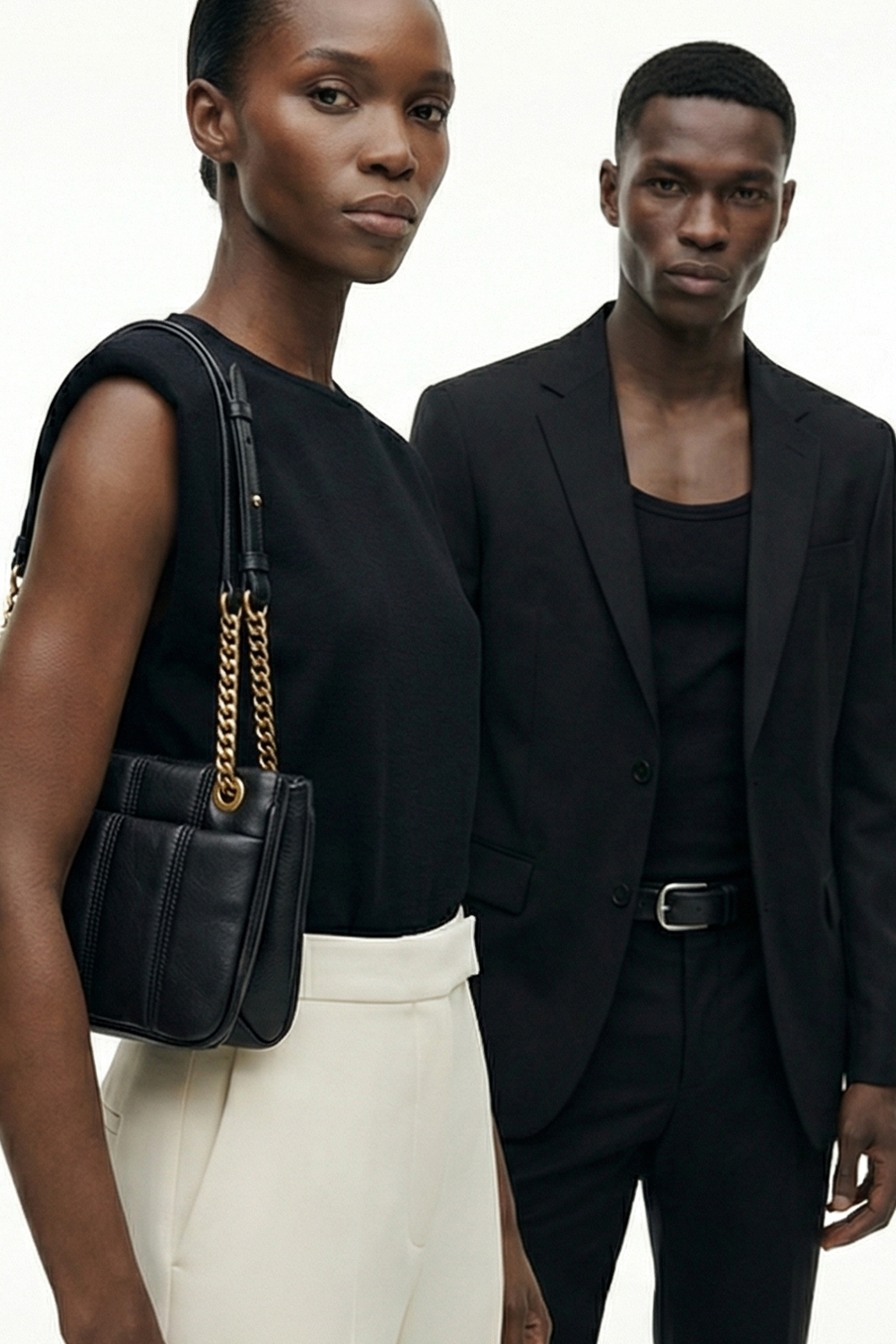
This allows brands to get more value from their original photography investment.
It also makes it easier to test different creative directions and discover which visual styles perform best with customers.
AI Product Photography Sydney: Combining Technology and Creative Direction
For brands investing in AI product photography in Sydney, technology is only one part of the process.
Creative direction still determines how the product should be presented, what audience the imagery is targeting and how the visuals fit within the wider brand identity.
Lighting, composition, styling, colour and visual consistency remain important.
AI can generate possibilities, but someone still needs to decide which possibilities are commercially useful.
This is particularly important for brands operating across multiple channels, where product imagery needs to feel consistent whether it appears on an ecommerce website, Instagram, an online marketplace or a digital advertisement.
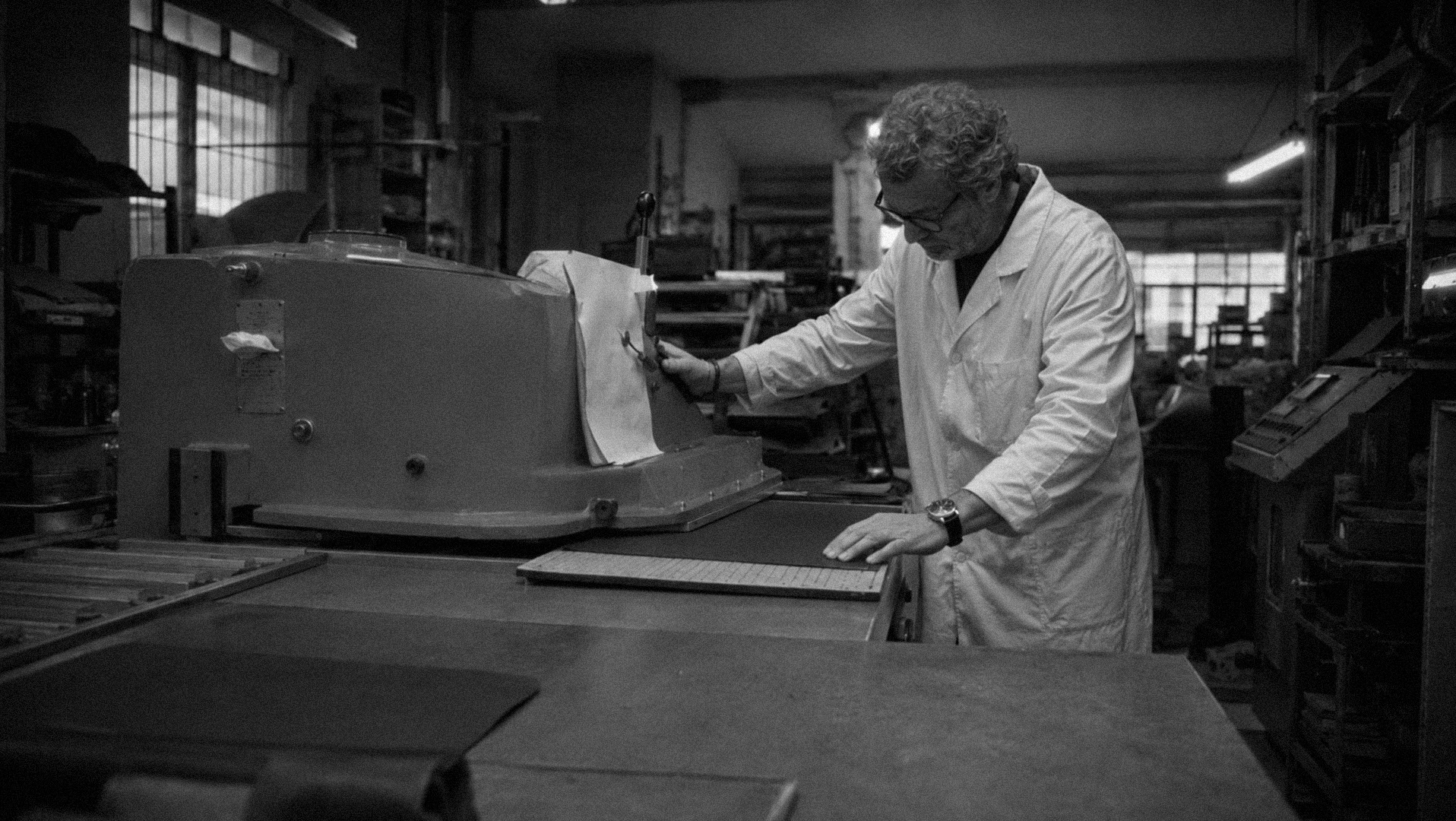
AI and Fashion Product Photography
Fashion is one area where AI-assisted photography is creating particularly interesting opportunities.
Brands can photograph garments professionally and then explore different campaign environments, locations and visual concepts without physically producing every variation.
This can make it easier to test creative ideas before committing to a larger campaign.
For brands interested in exploring this approach, AI Fashion Campaigns Sydney demonstrates how professional photography and AI can work together to create flexible campaign content.
The same principles can be applied beyond fashion to products, lifestyle brands and ecommerce businesses.
Creating More From Every Product Shoot
Traditional product photography remains valuable, but the way businesses use those images is changing.
A single production no longer has to result in a fixed collection of photographs that are used only for a website.
With the right workflow, those images can become the foundation for a broader library of marketing content.
AI can help brands explore new environments, create variations and adapt visual assets for different channels.
This is particularly useful for ecommerce businesses that need to keep producing fresh content as products, promotions and campaigns change.
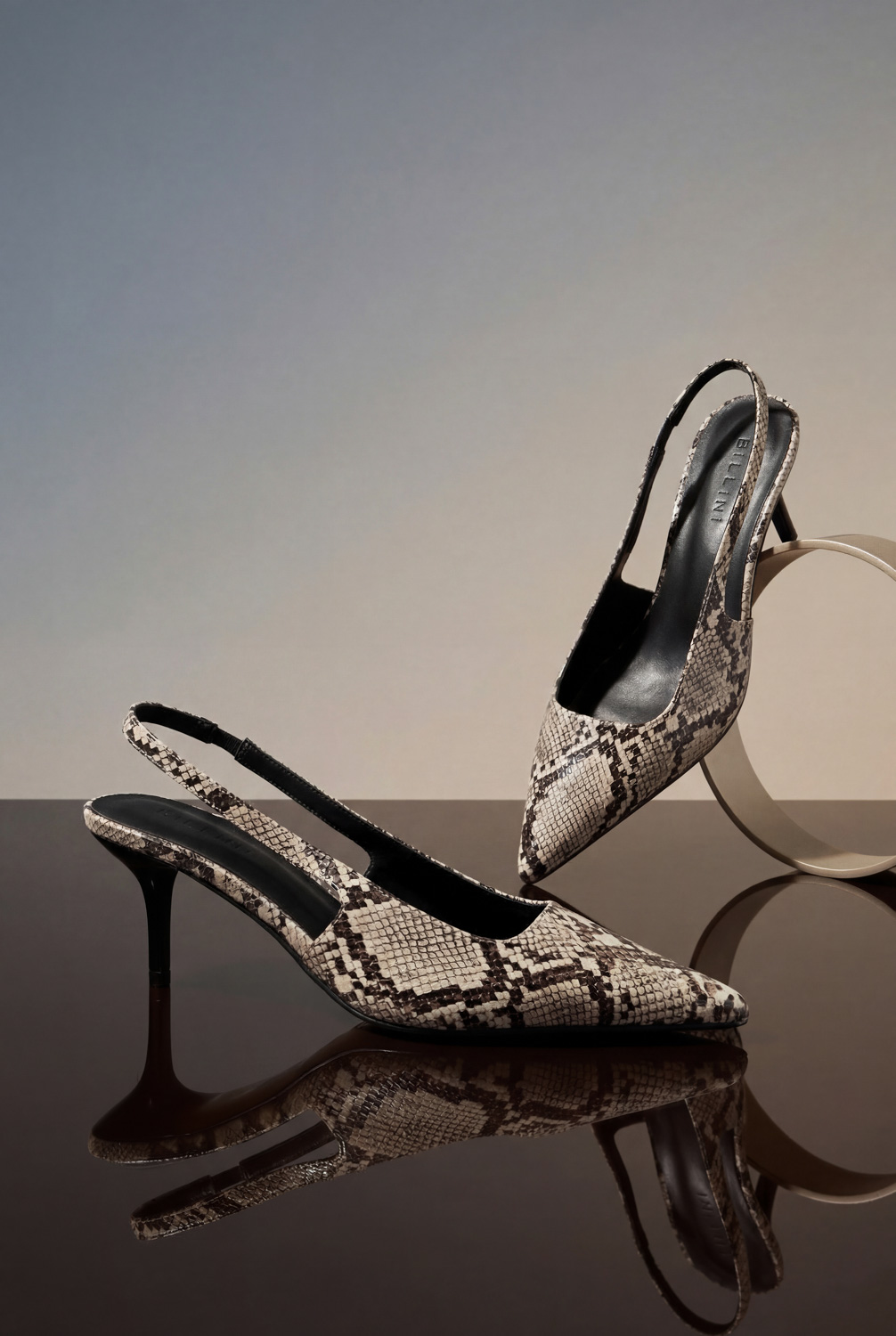
The Future of AI Ecommerce Photography
AI is unlikely to eliminate the need for professional product photography. Instead, it is creating a new model where photography and artificial intelligence work together.
Professional photography provides accuracy, consistency and a reliable visual foundation. AI provides additional flexibility, speed and creative possibilities.
For ecommerce brands, the result can be a more efficient approach to visual content production.
The future of AI ecommerce photography is therefore less about replacing the camera and more about expanding what can be achieved with the images a brand already has.
Businesses that combine strong photography with thoughtful AI workflows can create more content, test more ideas and build a stronger visual presence across their digital channels.
-
Like what you see?
Please get in touch with us to transform your brand!
We can complete high end ecommerce photography for your business to improve sales and generate awareness in your industry.
Bookings@designidentity.com.au | 02 8339 0130