


Design and Photography: How Strong Visual Direction Builds Better Brand Content
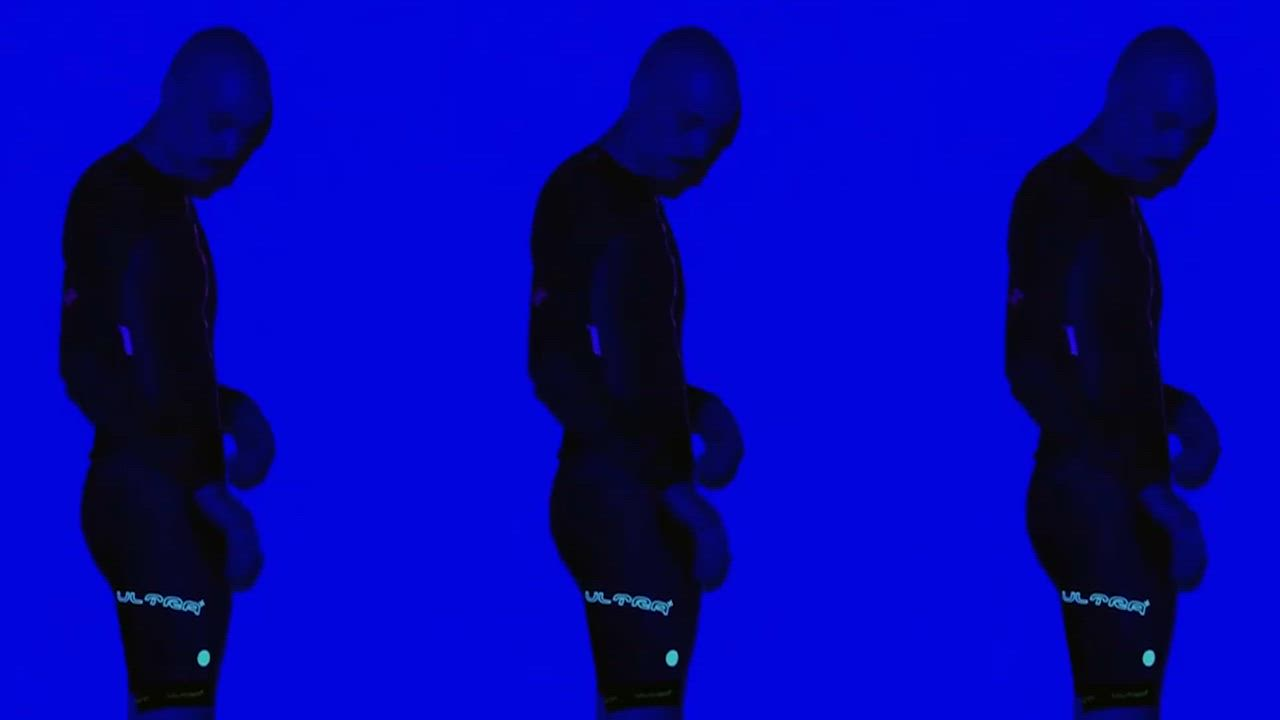
Good brand imagery is never just about a nice photo. The strongest campaigns come from the overlap between design and photography: the visual direction, layout, lighting, styling, composition and final use of the images all working together.
For brands creating websites, advertising campaigns, launch content or social assets, commercial photography needs to support the broader brand system. Colour, spacing, format, crop, typography, campaign messaging and image style should feel like they belong together. When photography and design are planned separately, the final assets often look polished on their own but disconnected once they appear across a website, ad layout or social feed.
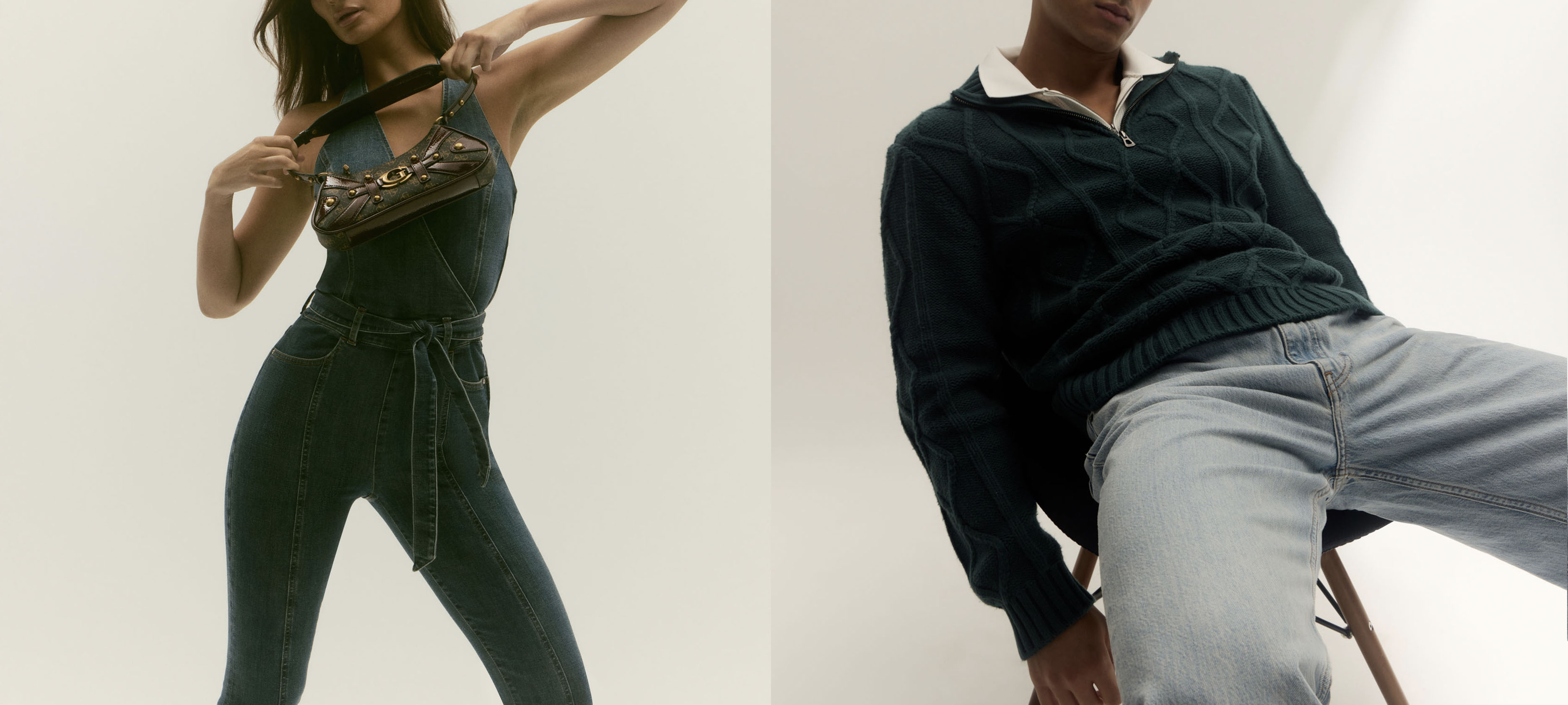
Quick takeaway: Design gives imagery direction. Photography gives the brand visual proof. Together, they create content that feels more consistent, useful and commercially ready.
Why Design Direction Matters Before the Shoot
Before a camera comes out, a brand should know what the images need to do. Are they for a homepage? A launch campaign? Paid ads? A social content series? A brochure? A lookbook? A landing page? Each use case changes how the image should be framed and produced.
A strong visual direction helps answer practical questions before the shoot starts:
- Should the imagery feel clean, premium, energetic, technical or editorial?
- Will the final assets be cropped into square, vertical, horizontal or banner formats?
- Do the images need negative space for headlines, logos or calls to action?
- Should the lighting match the brand identity and website design?
- How will the images sit beside type, colour blocks, packaging, graphics and layout elements?
This is where a studio with both creative and production experience becomes useful. At Design Identity, shoots can be planned around the final brand application, so the imagery is not only visually strong but easier to use across real marketing channels.
How Photography Supports Brand Identity
Photography is often the fastest way a customer understands a brand. Before they read a paragraph of copy, they notice the mood, texture, light, setting and composition. That first impression can make a brand feel considered, high-end, approachable, practical or aspirational.
For a brand identity to feel consistent, the photography should support the same visual language used across the website and marketing material. A minimal brand may need sharp light, clean surfaces and controlled spacing. A lifestyle-led brand may need natural environments, movement and warmth. A more technical brand may need precision, clarity and detail.
Design and Photography for Digital Campaigns
Most brand imagery now needs to work across more than one platform. A single shoot might need to produce website banners, social posts, paid ad crops, email graphics, presentation slides and campaign landing page assets. If the shoot is not planned with design in mind, the images can become hard to crop or adapt.
For example, a hero image may need extra space on one side for headline text. A social image might need the subject centred for vertical formats. A web banner may need a cleaner background so buttons and type remain readable. These details sound small, but they decide whether the final content is actually useful.
This is why advertising photography and design direction should be planned together. The photography needs to look good, but it also needs to perform inside the campaign layout.
What Makes a Creative Studio Different?
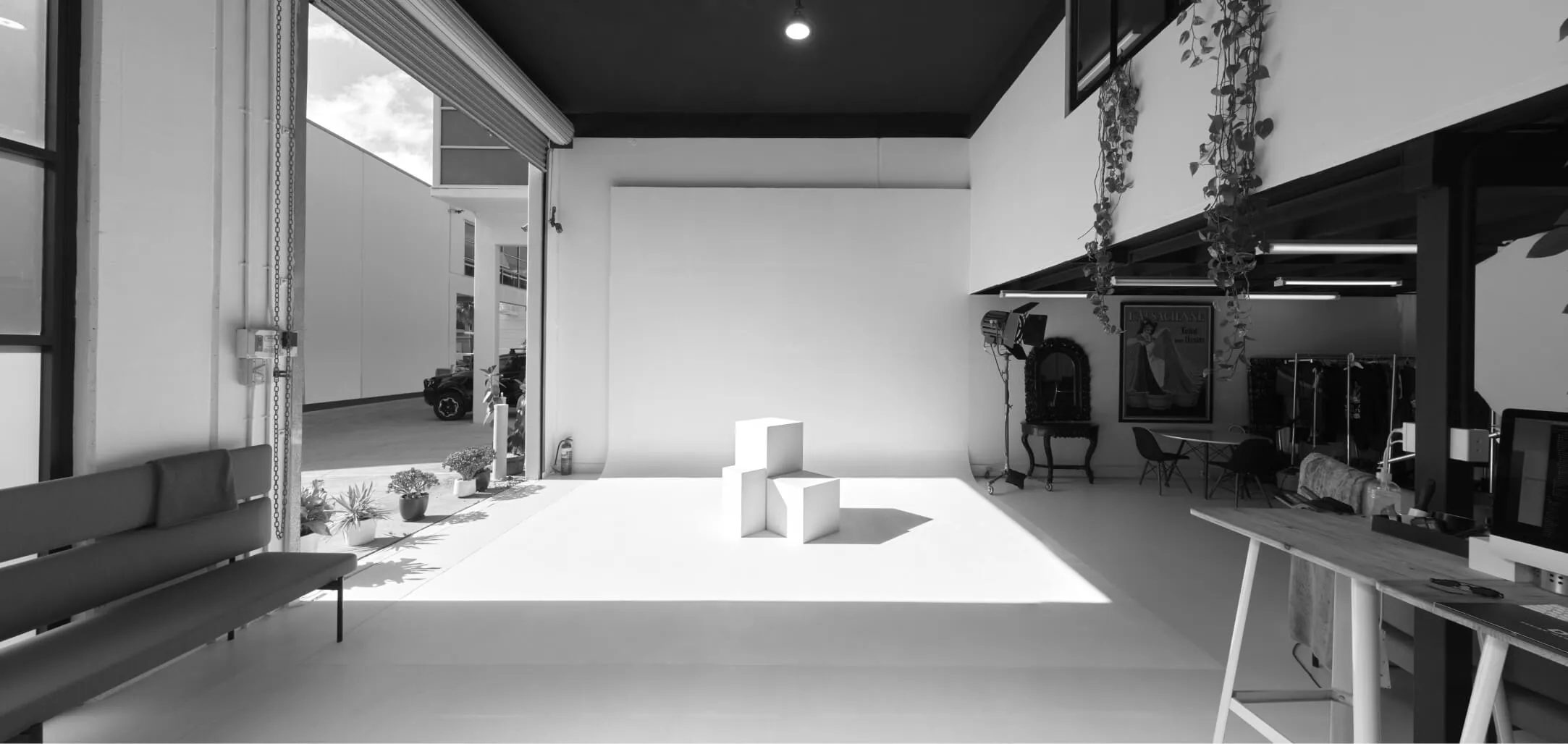
A photographer can capture strong images. A creative studio can think about the bigger system around those images. That includes the shoot concept, campaign direction, styling, set, lighting, crop requirements, file delivery, platform formats and how the content will be used after the shoot.
For brands that do not have a large internal creative team, working with a photography studio in Sydney can make the process more efficient. Instead of producing disconnected assets, the studio can help create a cohesive visual set that feels ready for web, social, advertising and sales material.

How to Brief a Design-Led Photography Shoot
A clear brief makes the entire shoot stronger. Before booking a photographer or studio, brands should outline the campaign goal, target audience, platforms, preferred style, required crops and any brand rules that need to be followed.
A simple photography brief should include:
- Brand background and campaign objective
- Reference images and visual direction
- Required image formats and final channels
- Shot list and priority assets
- Logo, colour, typography or layout considerations
- Delivery requirements and deadlines
The more clearly design and photography are connected at the start, the less fixing needs to happen later.
Final Takeaway
Design and photography work best when they are planned as one system. Design gives the shoot direction; photography gives the brand the visual assets it needs to communicate clearly. For businesses creating websites, campaigns, advertising or social content, this combined approach can make brand imagery feel more polished, consistent and commercially useful.
If your next campaign needs stronger creative direction and photography, get in touch with Design Identity to discuss a shoot built around your brand, platform and final content needs.
Supporting Ecommerce Brand Growth
Professional photography and videography play a critical role in ecommerce marketing success.
Design Identity works with ecommerce brands to produce high-performing content through full-service creative production, helping businesses attract customers and grow online.
-
Like what you see?
Please get in touch with us to transform your brand!
We can complete high end ecommerce photography for your business to improve sales and generate awareness in your industry.
Bookings@designidentity.com.au | 02 8339 0130


